
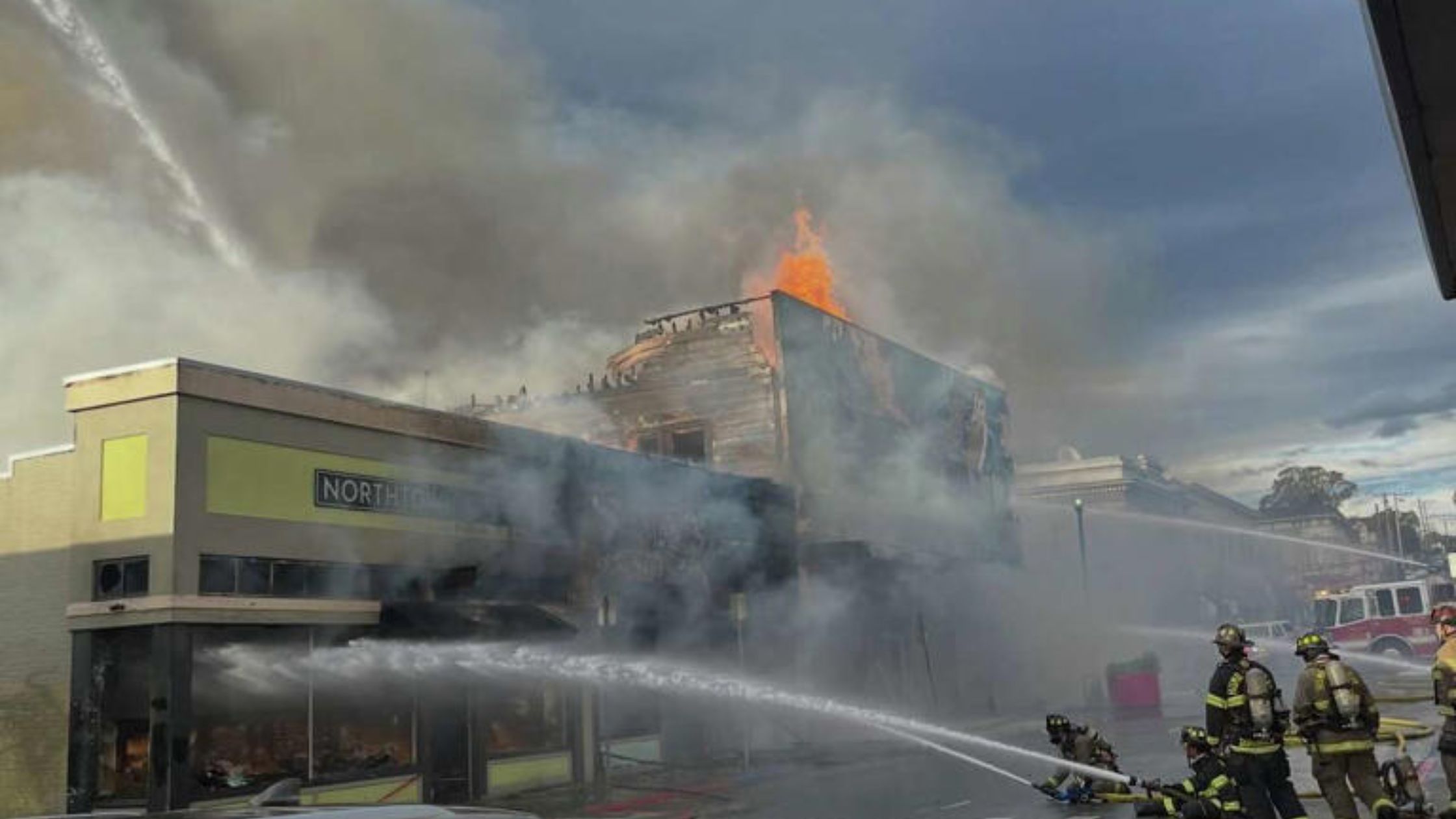
A commercial fire leaves behind a complex aftermath that extends far beyond the visible charred remains of the structure. Long after the flames are extinguished, the pervasive presence of microscopic soot particles and acrid smoke odors continues to threaten the health of your employees and the integrity of your property. Navigating commercial fire damage restoration requires a deep understanding of how these contaminants behave on a molecular level, as they can penetrate deep into porous materials and circulate through ventilation systems. For business owners, the challenge is not just cleaning the surface but ensuring that the environment is chemically neutralized and safe for occupancy. Professional intervention is critical because standard cleaning methods often fail to address the hidden residues that lead to long-term corrosion and persistent odors. In this guide, we will explore the advanced scientific methods and specialized equipment used to reclaim a commercial space from the invisible grip of smoke and soot.
The most effective way to eliminate smoke odors in a commercial setting is to address the source of the smell rather than simply masking it with fragrances. Smoke odor is caused by volatile organic compounds that embed themselves deep within building materials like drywall, wood, and upholstery. Professionals use a multi-stage approach that often begins with thermal fogging, which replicates the heat and pressure of the fire to drive neutralizing agents into the same porous areas the smoke reached. This ensures that the odor is neutralized at the source, preventing it from resurfacing when the building’s humidity levels change.
Another highly effective method used in modern restoration is ozone treatment. Ozone generators create O3 molecules that interact with organic odor molecules through a process of oxidation, breaking them down into odorless elements. This technique is particularly useful for wide-open commercial spaces like warehouses or large retail floors where manual cleaning of every square inch is impractical. However, because ozone is a powerful oxidizer, space must be evacuated of all living things during the process. This level of technical control is why professional management is essential for a successful outcome.
Hydroxyl generators offer a safer alternative for occupied spaces, as they use UV light to create atmospheric hydroxyl radicals that destroy odor molecules without the toxicity associated with ozone. These machines can run continuously while other restoration tasks are performed, speeding up the overall timeline of the recovery. By utilizing these advanced commercial smoke deodorization techniques, experts can ensure that the "burnt" smell is completely eradicated, allowing your business to reopen with a fresh and welcoming atmosphere that protects your brand’s reputation.
Soot is not a uniform substance; it is a complex mixture of carbon, chemicals, and oils that varies depending on what was burned during the fire. Soot removal techniques must be tailored to the specific type of residue present, whether it is the dry, powdery soot from a wood fire or the sticky, smeary residue from a plastics or protein fire. Using the wrong cleaning agent can cause the soot to set permanently, leading to the loss of expensive equipment or structural finishes. Professionals use dry chemical sponges for initial removal to lift the soot without adding moisture that could drive the contaminants deeper into the substrate.
In industrial and office environments, the removal of soot from sensitive electronics is a high-priority task. Fine soot particles are often conductive and acidic, which means they can cause short circuits or corrode delicate circuit boards if not removed immediately. Restoration specialists often use ultrasonic cleaning, which involves submerging components in a specialized solution while high-frequency sound waves create microscopic bubbles. These bubbles implode on the surface of the parts, gently but effectively lifting soot from even the most intricate areas that a brush could never reach.
For larger surfaces like structural masonry or heavy machinery, media blasting may be employed. This involves using pressurized air to spray materials like dry ice or crushed walnut shells against the soot-covered surface. Dry ice blasting is particularly popular in commercial restoration because it is non-abrasive and leaves no secondary waste behind, as the dry ice sublimates into gas on contact. This allows for a deep clean of structural components without the mess associated with traditional sandblasting or high-pressure water washing.
Air quality is a major concern during the restoration process, as the act of cleaning can kick fine soot particles back into the air. HEPA filtration fire cleanup involves the use of industrial air scrubbers that pull the air through a series of filters designed to catch particles as small as 0.3 microns. This process is vital for protecting the health of the restoration crew and ensuring that the air within the building is purified before the staff returns. Without these scrubbers, the fine dust from the fire would simply settle back onto cleaned surfaces, creating a cycle of re-contamination.
The ventilation system of a commercial building often acts as a reservoir for smoke and soot. If the HVAC ducts are not professionally cleaned and sealed, they will redistribute contaminants every time the system cycles. Restoration experts use specialized agitation tools and high-powered vacuums to clean the entirety of the ductwork. Once cleaned, a sealant may be applied to the interior of the ducts to lock down any remaining microscopic particles, ensuring that the air being pumped through the building is pristine.
Maintaining a negative air pressure environment is another strategic use of filtration. By venting the filtered air outside while keeping the work area under lower pressure than the rest of the building, professionals prevent smoke odors and dust from migrating into unaffected areas. This containment strategy is particularly important for businesses that remain partially open during the restoration process, such as hospitals or multi-tenant office buildings. If you are dealing with a complex air quality issue, you can contact our environmental specialists to design a containment and filtration plan suited for your facility.
The physical structure of a building must be decontaminated to ensure long-term safety and stability. Heat from a fire can cause the pores of concrete and brick to expand, allowing soot and odors to lodge deep within the material. Professionals apply specialized sealants or "encapsulants" to these surfaces after cleaning. These coatings trap any lingering odors and prevent them from off-gassing into the building’s interior. This is a critical step in the commercial fire damage restoration process that prevents the recurrence of smells months after the project is completed.

As highlighted in the table above, the approach depends entirely on the chemistry of the fire. Beyond cleaning, the restoration team must also inspect the structural integrity of the building. Intense heat can weaken steel beams and cause concrete to "spall," or break apart. Safety protocols require a thorough engineering check to ensure that the building is not at risk of collapse or significant shifting. This technical oversight provides the business owner with the assurance that the facility is truly safe for re-entry.
Chemical safety is also a priority during the decontamination phase. The agents used to neutralize soot and odors are powerful and must be handled according to strict OSHA guidelines. Professional restoration companies provide their teams with full personal protective equipment (PPE), including respirators and chemical-resistant suits. This level of protection ensures that no additional hazards are introduced to the site during the cleanup. By delegating this work to experts, you protect your own employees from exposure to toxic residues and industrial cleaning chemicals.
The recovery of the building’s contents is often just as important as the structure itself. For retail businesses, this might include specialized dry cleaning for garments or ozone chambers for inventory. For corporate offices, it involves the precision cleaning of servers and workstations. Every item that can be salvaged represents a significant reduction in the total loss claim and a faster return to normal operations. A professional team will handle the "pack-out" process, where items are inventoried, moved to a secure facility, and restored in a controlled environment.
Document restoration is a highly specialized field within the fire recovery industry. Using vacuum freeze-drying and desiccant drying, experts can save paper records that have been damaged by both heat and the water used for firefighting. This is essential for law firms, medical practices, and accounting offices where physical files are still a requirement for compliance. This level of care ensures that your business’s history and legal documentation are not lost to the disaster. To learn more about our content recovery capabilities, you can contact our logistics team for a detailed consultation.
Once the contents are cleaned and the building is certified as safe, the "pack-back" begins. This involves returning all items to their original locations according to the digital inventory created during the pack-out. This systematic approach allows the business to resume its workflow almost immediately. Because the restoration team understands the layout and needs of the business, they can prioritize the return of essential equipment, ensuring that the most critical functions of your enterprise are back online first.
No, you should never use a household or standard shop vacuum for soot. These machines do not have the high-grade HEPA filtration required to catch fine soot particles and will simply blow the dust back into the air through the exhaust. This can spread the contamination and make the cleanup much more difficult and expensive.
The timeline for deodorization depends on the severity of the fire and the volume of the space. In most cases, a combination of thermal fogging and ozone treatment can neutralize odors within 24 to 72 hours. However, deep-seated odors in insulation or carpet padding may require more extensive material removal and longer treatment times.
If cleaned by professionals using specialized methods like ultrasonic cleaning, many electronics can be restored to full functionality. However, it is vital that you do not attempt to turn on any electronic device that has been exposed to soot or smoke before it has been professionally inspected and cleaned, as this could cause an electrical short.
Yes, smoke is a pressurized gas that moves toward cooler air and can travel through any opening, including electrical outlets, light fixtures, and wall cavities. It is very common for rooms on the opposite side of a building to suffer significant smoke damage even if they were never touched by flames.
In most cases, yes. Insulation is highly porous and acts as a filter that traps smoke particles and odors. It is almost impossible to clean insulation effectively, and leaving it in place will often result in a permanent "burnt" smell in the building. Replacing it is usually a standard part of the reconstruction phase.
The path from a smoke-damaged facility to a pristine, operational business is a technical journey that requires the right combination of science and speed. By addressing the molecular reality of soot and smoke, you are ensuring that your recovery is permanent and that your property’s value is protected. Commercial fire damage restoration is an investment in your company’s resilience, allowing you to move past a disaster with the confidence that your workspace is safe for your staff and inviting for your clients. Each step of the process, from initial filtration to final deodorization, plays a vital role in restoring the professional atmosphere your brand deserves.
At Rebuilders Commercial Restoration, we understand the unique pressures of the business world and the urgency of getting your doors back open. Our team uses the latest in HEPA filtration, ozone technology, and ultrasonic cleaning to ensure that no trace of fire damage remains. We manage every detail of the process so you can stay focused on your customers and your employees. If you are facing the daunting challenge of smoke or soot cleanup, do not attempt to handle it alone; reach out to us today to start your journey back to a clean and productive business environment.